
Unplugged and UnbotheredThe other day I picked up my phone to scroll through social media and put it right back down about 12 seconds later. Not because something urgent came up, but because I

Dated: February 12 2026
Views: 178
As someone who sells homes and then goes home to 12 chickens, 3 ducks, a small orchard of fruit trees, and more garden beds than is realistically manageable, I’ve learned this: the soil you inherit matters just as much as the square footage.
When you buy a home, you’re not just buying walls and windows. You’re buying the ecosystem under your feet. We’re not talking about that lush, beautiful green grass that you cross cut and have perfectly straight lines for, that are dandelion free (they’re actually good for your yard and pollinators so don’t spray) and look pretty. We’re talking that stuff under the grass. The stuff that worms and other critters live in. Dirt.
Now, let’s talk dirty!
First, what I have: clay soil. Around Plymouth and much of southeast Michigan, clay is common. Clay particles are tiny and pack tightly together. That means water drains slowly, roots struggle to penetrate, and in spring you feel like you’re planting in modeling clay. It holds nutrients well, but it can suffocate plants if you’re not careful. If you did when it’s too wet, good luck. It sticks to everything. If it’s too dry, you need a pickaxe to chip it apart. It’s nasty, but glorious at the same time.
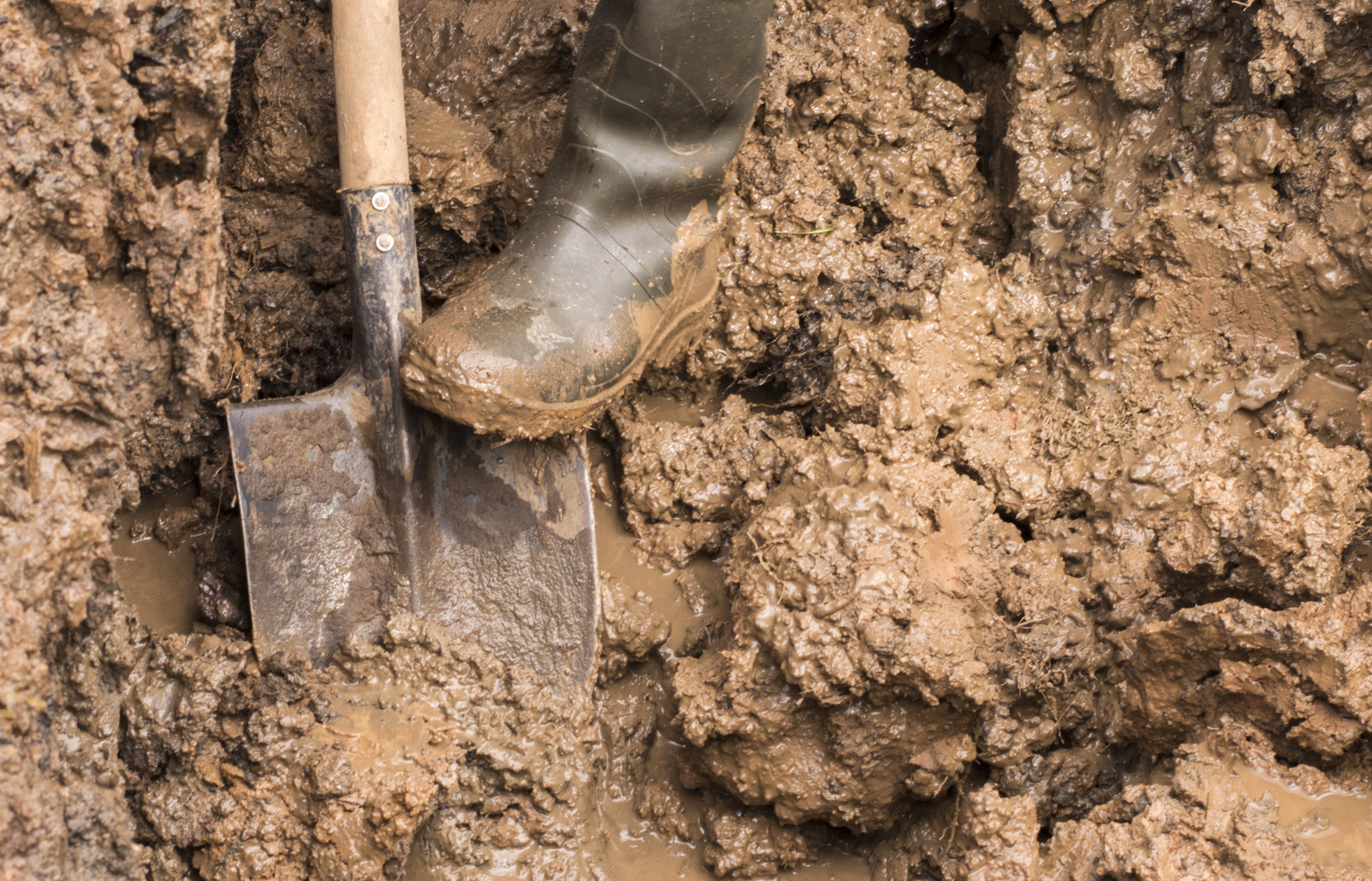
Clay soil yards are where raised beds shine. By building up instead of digging down, you control the soil mix, improve drainage, and warm the soil faster in spring. It’s like giving your vegetables a penthouse suite above the heavy ground below. Over time, you can also amend clay soil directly with compost and organic matter to loosen it up. The key word is organic matter. Compost is not magic dust, but it’s close. And each of us should be composting most of what we eat to create compost, aka known“Black Gold” in the farming industry.
Next, let’s swing to sandy soil. Sandy soil drains quickly - sometimes too quickly. Water and nutrients move through it like a sieve. Your plants may look thirsty even when you’re watering regularly because the moisture simply doesn’t stick around. The upside? It’s easy to dig, warms quickly in spring, and rarely compacts. Livonia and the adjacent communities are known for mostly sandy soil.
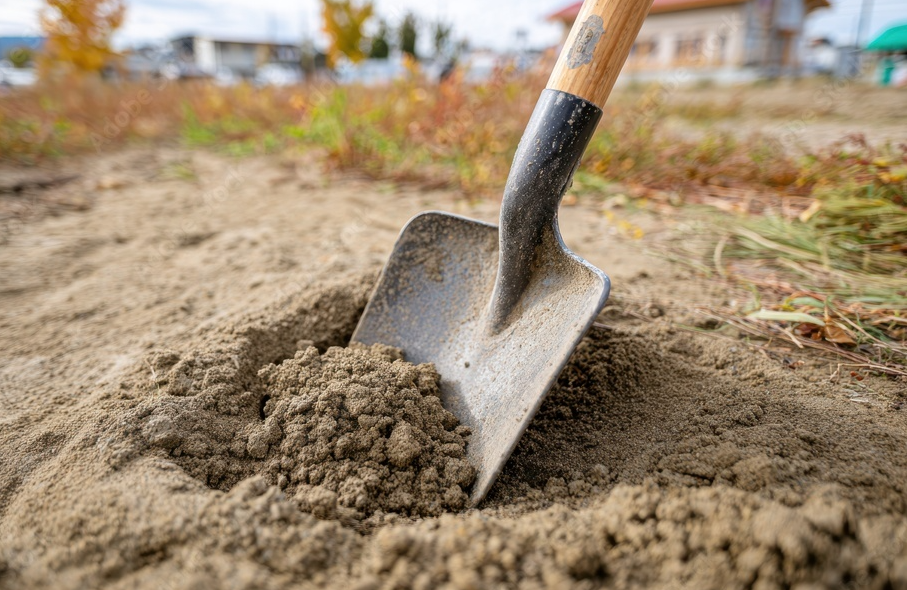
With sandy soil, the strategy flips. You need to increase water retention and nutrient-holding capacity. Compost, aged manure, leaf mold… all these help bind those loose sand particles and create structure. Think of it as building a sponge underground.
Then there’s loam. Gardeners whisper about loam the way us golfers talk about a pure strike. It’s the Goldilocks soil—a balanced mix of sand, silt, and clay. It drains well, holds nutrients, and is workable. If you move into a home with loamy soil, congratulations. You’ve won a small lottery. Even then, consistent amendment keeps it productive. Nothing is no maintenance – and succession and companion planting matters as plants utilize nutrients in the soil, it’s important to replenish the soil for continued planting success.

Here’s the bigger point: soil is not static. It’s alive. Billions of microbes are breaking down organic material, forming microbial mycelium relationships with roots, and moving nutrients around. When we amend soil—adding compost, mulching, rotating crops—we’re not just changing texture. We’re feeding an underground community.
From a Real Estate perspective, this matters more than people think. Buyers who garden, want fruit trees, or dream of backyard chickens should evaluate soil just like they evaluate a basement. A quick soil test can reveal pH levels and nutrient deficiencies. That information tells you whether blueberries will thrive or sulk, whether you’ll need sulfur, lime, or simply time and compost.
Every property comes with its own growing conditions. Some require raised beds. Some demand patience. Some reward you immediately. Some need years of amending, and some are ready to plant immediately.
The beauty is that soil can be improved. Unlike location, which is fixed, dirt can evolve. With intention, organic matter, and a bit of sweat equity, even stubborn clay can turn lavish and rich.
When you’re shopping for a home, imagine more than furniture placement. Imagine what you want to harvest. The ground beneath your house isn’t just landscaping—it’s potential.
A home isn’t just where you live. It’s what you grow.
- Andy Hargreaves
Broker, avid gardner and soil nerd
Unplugged and UnbotheredThe other day I picked up my phone to scroll through social media and put it right back down about 12 seconds later. Not because something urgent came up, but because I
Don’t Wait Until Spring: How to Prepare Your Home for a Late-Summer or Early-Fall ListingThere is a very common belief in Michigan real estate that if you want to sell your house, you need to
The Digital Threat No One Is Talking About (And Why It Should Be on Every Buyer's and Seller's Radar)By Andy Hargreaves, Broker @ Prime + PropertyReal estate has always been a high-stakes game. Big
Buying a house: It’s the American Dream! Right? Or, at least that’s what we’re told.I’ve been selling Real Estate for over 20 years. In that duration,
 IDX provided courtesy of Realcomp II Ltd., via Prime + Property Real Estate and The Originating MLS(found above), © 2026 Realcomp II Ltd. Shareholders. The information being provided is for consumers personal, non-commercial use and may not be used for any purpose other than to identify prospective properties consumers may be interested in purchasing.
Data is updated as of September 10, 2026 6:54 PM UTC Information deemed reliable but not guaranteed.
The data relating to real estate
on this web site comes in part from the Internet Data Exchange (IDX) Program of Realcomp Ltd. Real estate listings held by firms other than Prime + Property Real Estate are marked with the Realcomp Internet Data Exchange logo or thumbnail logo and detailed information about them includes the Listing Broker's Firm Name.
The information being provided is for consumers personal, non-commercial use and may not be used for any purpose other than to identify prospective properties consumers may be interested in purchasing.
Show More...
